Happy Memorial Day Weekend & More!
Happy Memorial Day Weekend, everyone!
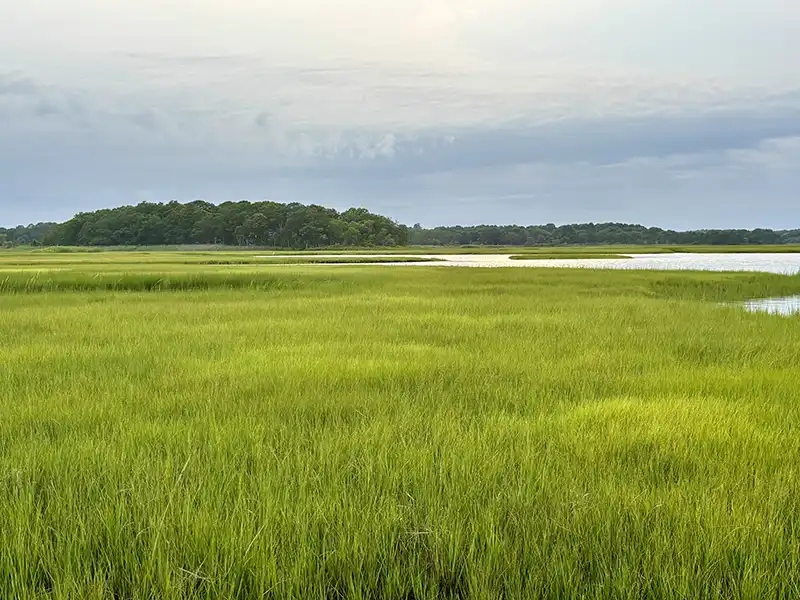
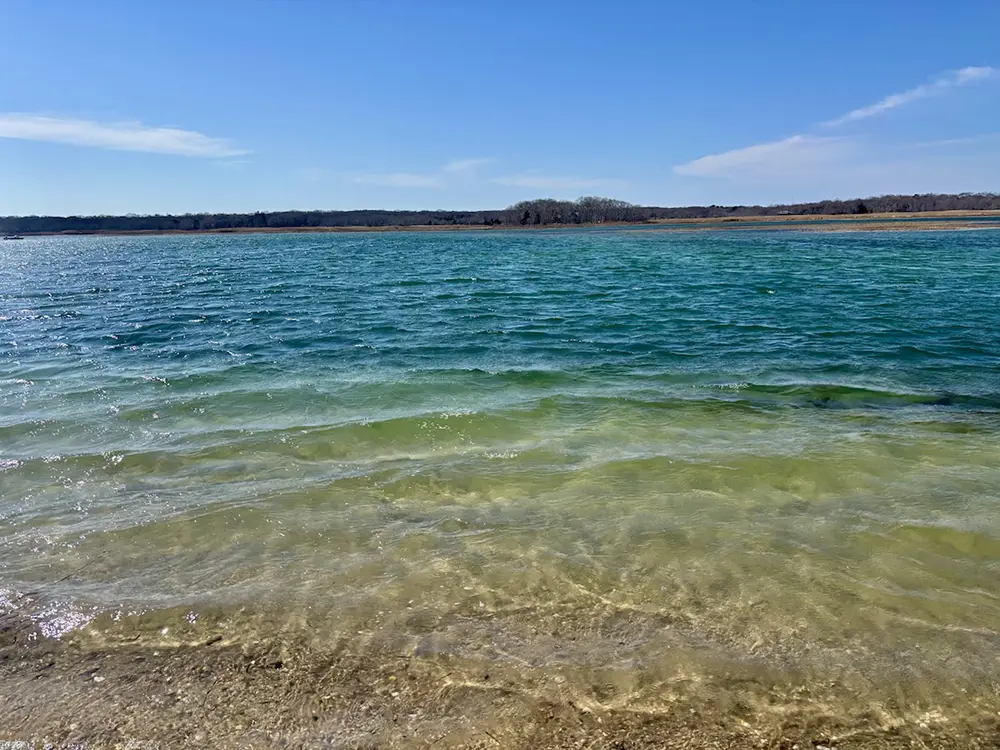
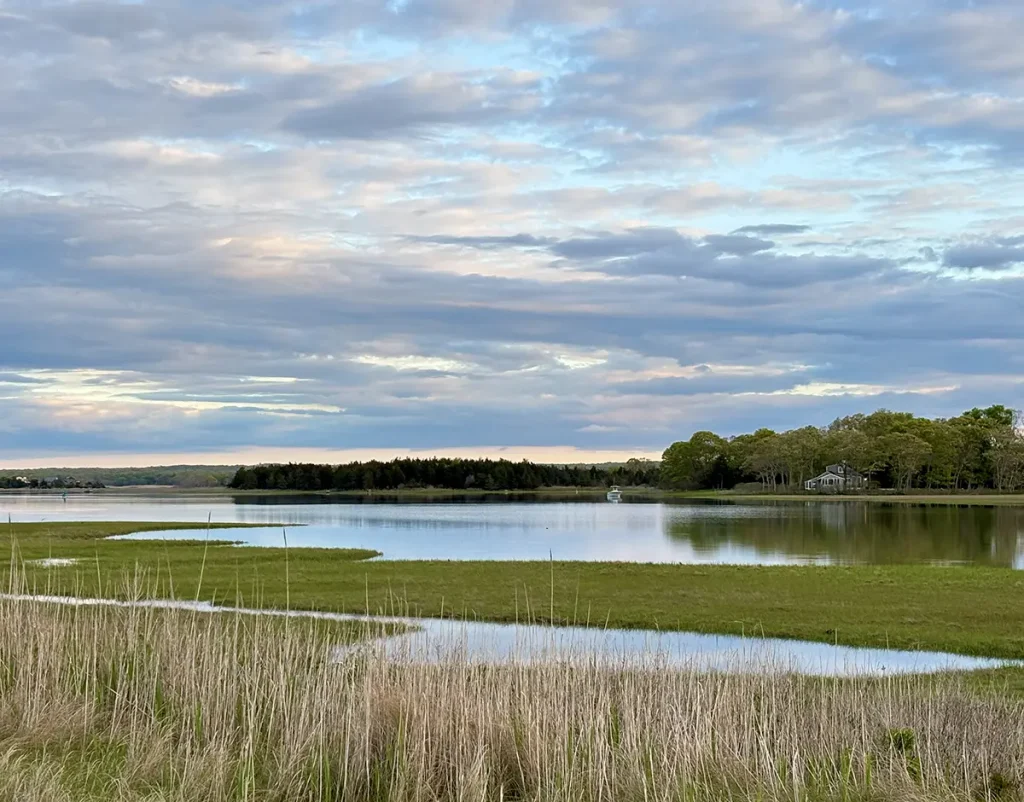
Summer is almost here, and we can’t wait to welcome you back to the beauty of Accabonac Harbor here on the East End. From Accabonac’s peaceful marshes to Gardiner’s Bay open water views, this special corner of Long Island reminds us just how lucky we are to call it home.
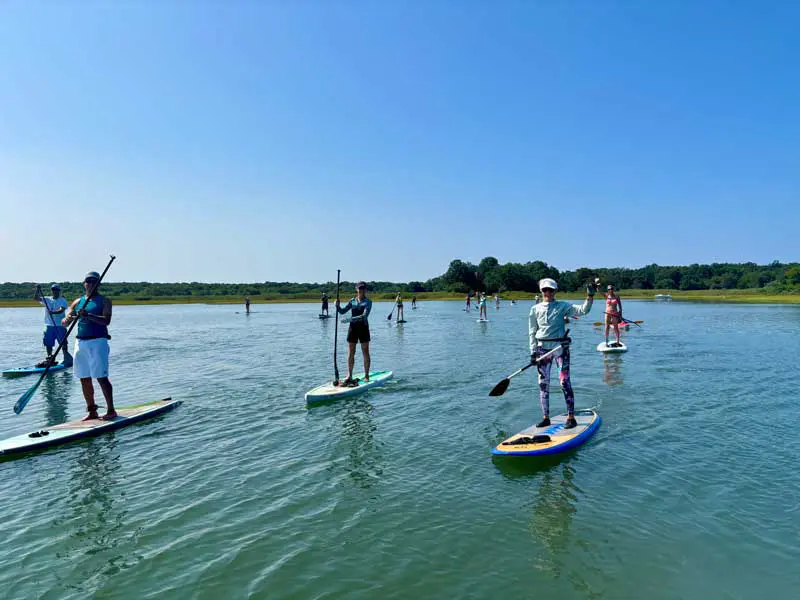
To kick off the season, we’re excited to invite you to our 2nd Annual Paddle & Pickup on Saturday, June 27 at 10:00 AM!
Join APC Board Member Jody Sutter and East Hampton paddle pro Evelyn O’Doherty for a special tour on the stunning waters of Accabonac Harbor. We will launch from Landing Lane off Old Stone Highway in Springs and do our part to keep this special body of water beautiful and pristine by picking up trash and debris that have collected from the winter storms.
Bring your kayak, paddleboard, canoe, or favorite flotation device — all are welcome!
We’ll provide latex gloves and trash bags. You bring yourself, your family, and your love of the outdoors for this approximately 2.5-mile round-trip adventure (or paddle as far as you’d like) supported by the East Hampton Ocean Rescue lifeguards.
To register for this free community event, click here: REGISTRATION for PADDLE & PICK UP on June 27th!
Can’t make it this year but still want to support APC’s ongoing clean water initiatives? Please click HERE to donate.
We look forward to seeing you all on the water this summer!
Lawn Care: What You Should Know about Pesticides & Fertilizers
Did you know Suffolk County uses more pesticides than any other county in New York State?
“Kill your lawn.”
That was the provocative message environmental advocate Edwina von Gal delivered at Guild Hall on May 3, 2026, during her Grounded Conversations panel discussion, Killer Lawns. Her argument was simple but urgent: rethinking how we use our private yard space may be one of the single most impactful things we can do to protect Long Island’s aquifers, groundwater, and ultimately, our own health.
What followed was both alarming and eye-opening.
Von Gal, a leading voice in sustainable landscape design and founder of PRFCT EARTH PRJCT, assembled a renowned panel of scientists and environmental experts to unpack the hidden dangers of conventional lawn care chemicals from pesticides and insecticides to synthetic fertilizers commonly used on residential lawns, golf courses, and recreational fields across the East End.
Joining her on the panel were:
• Dr. Ray Dorsey, neurologist and leading Parkinson’s Disease researcher, whose work examines the connection between toxic environmental exposure and neurodegenerative disease.
• Dr. Sarah Evans of Mount Sinai School of Medicine, whose research explores how endocrine-disrupting chemicals like BPA and phthalates impact children’s early brain development and behavior.
• Dr. Carl Safina, acclaimed ecologist, author, and Amagansett resident, known for bridging scientific understanding with emotional storytelling to inspire environmental action.
Together, the panel painted a sobering picture of how the chemicals we spread across our landscapes may be affecting not only the environment, but also our children, pets, drinking water, and long-term health.
The conversation challenged attendees to reconsider the American obsession with the perfect lawn and to ask a difficult question: What is the true cost of keeping our grass green?
Pesticides & Parkinson’s Disease, Alzheimer’s and Autism
According to Dr. Ray Dorsey and Dr. Sarah Evans, mounting scientific evidence points to environmental exposure as a major contributor to the alarming increase in Parkinson’s Disease, autism spectrum disorders, and other debilitating illnesses. And increasingly, researchers are tracing those exposures back to an unlikely place — our own backyards.
Dr. Evans detailed the staggering growth of the pesticide industry, now valued at nearly $28 billion, while presenting research showing how many commonly used lawn chemicals interfere with the human nervous system, particularly in developing children. From brain development to long-term behavioral impacts, the consequences of exposure are becoming harder to ignore.
Von Gal shared a startling statistic: simply living within one mile of a golf course may increase the risk of developing Parkinson’s Disease. Dr. Dorsey explained that toxicity depends on several factors including how long someone is exposed, whether the chemicals are inhaled or absorbed through touch, and even the age or stress level of the individual exposed.
And exposure is not limited to the outdoors.
Pesticides travel. They move through the air, settle into our homes as dust particles, cling to shoes and pets, and eventually make their way into our bodies through simple inhalation, the food we eat and the water we drink.
But perhaps the most urgent portion of the discussion centered around water quality on Long Island. The experts explained that harmful algal blooms, which are increasingly common in our local waterways, are directly linked to fertilizer runoff and outdated septic systems that overload groundwater with nitrogen. These blooms contribute to dangerous bacteria outbreaks, including the deadly flesh-eating bacteria that has recently made headlines across Long Island.
What was once considered a summertime issue is now appearing earlier in the season, signaling a worsening ecological imbalance.
For us as East End residents, the message is clear: This is no longer a distant environmental problem. It is here, and it is affecting our water, our ecosystems, and potentially our health.
So what can we do?
The panelists encouraged residents to rethink traditional landscaping practices and adopt solutions that work with nature instead of against it. Here are a few suggestions:
• Replace traditional lawns with clover or native ground cover, which naturally supports soil and groundwater health.
• Create rain gardens and bioswales to help absorb excess nitrogen before it reaches our aquifers.
• Reduce or eliminate fertilizer and pesticide use whenever possible. Be informed and learn about the chemicals being applied to your property.
• Avoid petroleum-based plastics and other endocrine-disrupting products in daily life.
• Mulch-mow lawns and leave leaves in place to support pollinators and beneficial insects.
• Stop using fungicides that disrupt healthy soil ecosystems.
The discussion further highlighted recent progress in New York State, including the ban on neonicotinoids, which are chemicals now known to be highly toxic to bees and other pollinators essential to environmental health.
The panel reminded us that legislation often lags behind science. Public awareness, personal education, and individual accountability are critical. Because ultimately, everything we put on the ground finds its way into our water and into the bodies of our families, our children, and pets.
So, do your research, stay educated, and be mindful that everything we put on the earth winds up in our water, and can affect the longterm health of our families and our pets. Read below to connect with Prfct Earth Project on your lawn.
Together, we can make a difference.
With respect,
APC Board Members