We are Losing our Coastline… and Accabonac
FIND OUT AT OUR FORUM ON MAY 21
at the Springs Firehouse 7-9pm
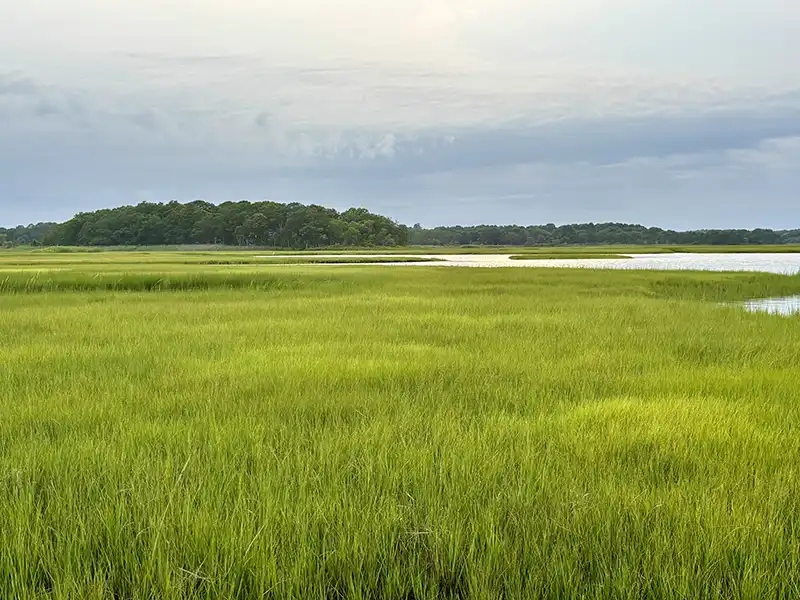
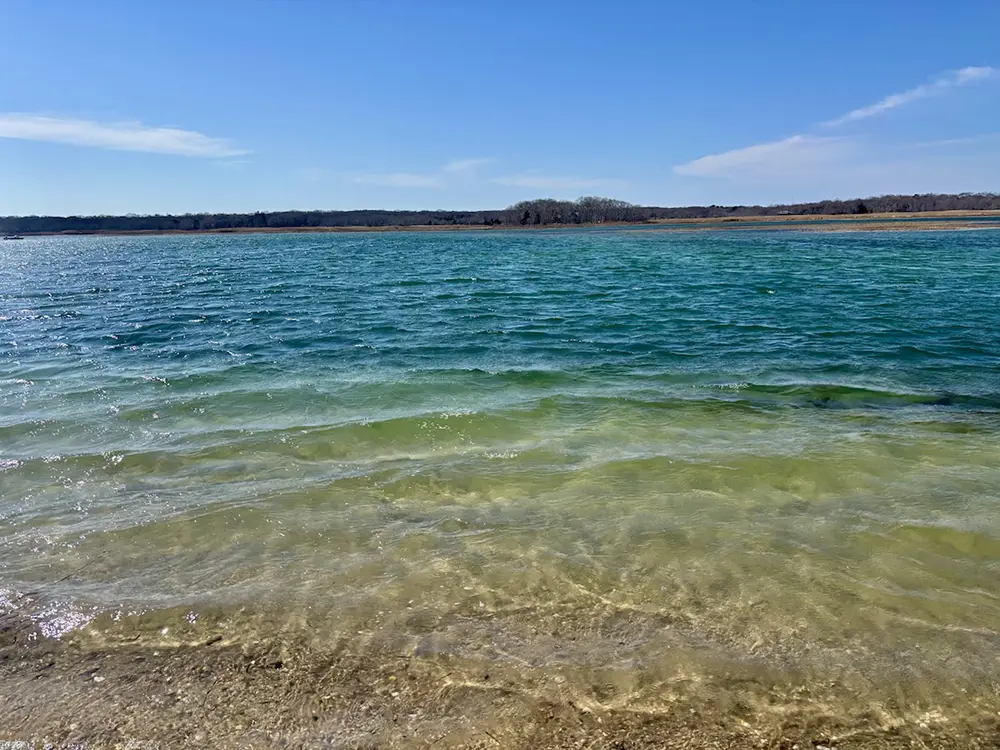
The storms of the past winter and spring have once again dramatically shortened the spit called Louse Point. As sea level rises and these storms become more common, (as seems to be the case), what can, and should be done to deal with the impending loss of the barrier beaches that literally (and litorally) define Accabonac Harbor? We have invited two experts to address our local concerns about a looming threat to all coastal areas. They are Joseph Tanski, Coastal Processes Specialist at NY Sea Grant, and Sara Newkirk, head of the “Coastal Resilience Project” at The Nature Conservancy on Long Island.
Mr. Tanski, describing “Long Island’s Dynamic South Shore: A Primer on the Forces and Trends Shaping our Coast” a booklet he developed for NY Sea Grant, states that “Presently, there are a number of efforts being undertaken by federal, state, and local interests to develop erosion management and storm damage reduction plans for the south shore of Long Island. Decision makers, coastal stakeholders and the public are being asked to review and approve these measures which can cost tens of millions of dollars and are often controversial. These audiences require science-based information about the processes and forces shaping the shoreline and the effect of these changes on both the natural and built environment in a form understandable to the layperson.” (from Cornell College of Agricultural and Life Sciences annual faculty reporting. 8/5/08)
Ms. Newkirk’s Coastal Resilience Project includes an online interactive map-based tool “to help decision makers visualize the likely impacts of sea level rise and increased coastal hazards on both natural and human communities along the south shore of Long Island.” She will be demonstrating the use of this vivid visual modeling program specifically as it relates to Accabonac.
“Scientists tell us that sea levels will rise by as much as four feet by the end of this century,” said Ms. Newkirk, coastal team leader for The Nature Conservancy on Long Island. “Long Island’s shores have some of the most highly developed lands in the coastal zone. Rising seas will impact both people and nature, causing flooding in coastal communities, heightened storm surges, and drowning of wetlands and other natural habitats.” (from TNC: “The Nature Conservancy on Long Island Addresses Global Warming”)
Dire as these scenarios sound (and are), we need to know what to expect and what can be done now and we need to get our neighbors and officials to know as well. So be sure to attend and bring others!