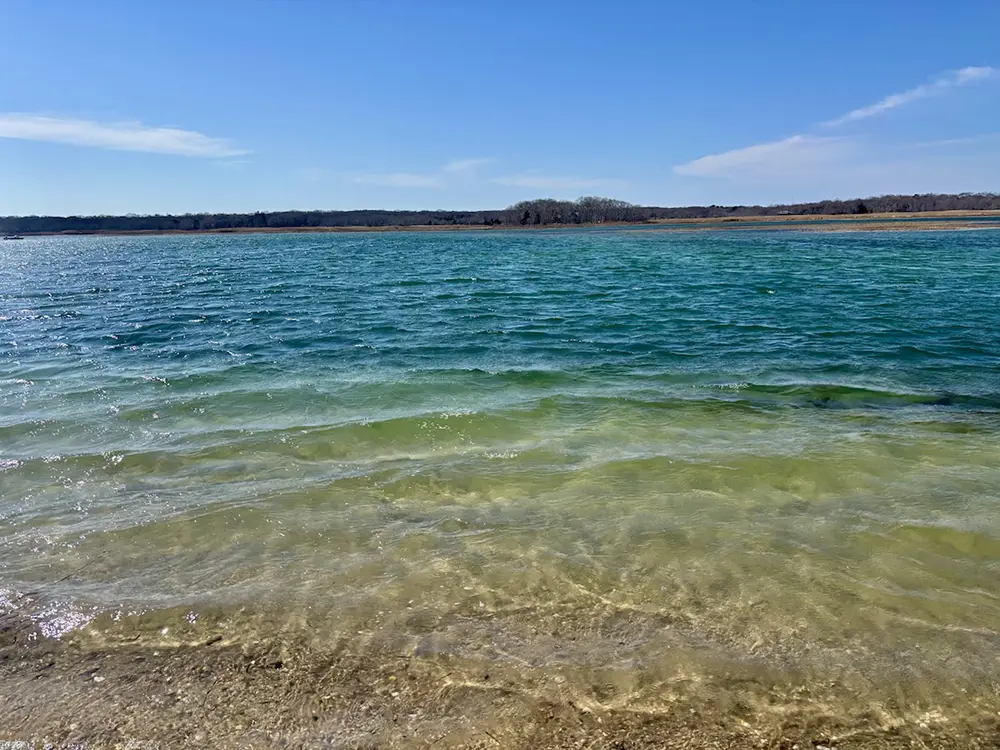
Septic Systems: What you need to know about them to protect our drinking water and Accabonac Harbor
From Baykeeper Kevin McAllister: “Nitrogen-enriched groundwater from household cesspools (onsite wastewater treatment systems) is a substantial pollution problem. Signs of excessive nitrogen loads – algal blooms, fish kills, and the explosive growth of invasive weeds already dominate many ponds and bays…
“Nutrient pollution from the tens of thousands of cesspools in our region is a monumental threat to our waters, yet it has been largely ignored. Suffolk County regulations limiting the amount of nitrogen from OWTS that enters our groundwater to protect drinking water are clearly inadequate in protecting surface waters. Maintaining superior water quality should be a priority. We must act now to save our bays.”
All homes in the Accabonac Harbor Protection Overlay District rely on septic systems to process domestic wastewater. Your septic system has a receiving tank and a leaching system. Your property survey should show the location of the tank and the leaching system. Wastewater from your sinks, toilets, dishwashers and washing machines is carried into the receiving tank where heavy particles settle to the bottom to form sludge and light materials float to the top to create scum. Bacteria gradually break down the solid materials to create liquid that flows into the leaching system.
To allow sufficient time for bacteria to do its work, the septic tank should be large enough to hold at least one day’s flow of wastewater from your house and provide storage for sludge and scum. Each addition of wastewater to the septic tank displaces an equal amount of liquid into the leaching system. The leaching system is designed to allow the liquid from the septic tank to be released into and filtered by the surrounding soil. Bacteria in the soil remove some harmful organisms, organic matter, and some nutrients from the waste before it enters the groundwater. Remember that our groundwater is the water source for all of us in East Hampton, whether you get your water from your own well or from the Suffolk County Water Authority wells.
Groundwater Contamination Septic systems operate effectively only if they are designed properly, situated in areas that allow proper operation, and used only for the purpose they were designed for. Overcrowded houses produce too much wastewater for the septic systems to do the job.
Even a properly operating system will not prevent phosphates and nitrates from entering the groundwater. Nitrates are a serious source of pollution to Accabonac Harbor, and their levels have been rising. Nitrates can create massive algae blooms that lead to a loss of oxygen in the bottom waters and threaten the health of the Harbor.
Domestic wastewater can contain bacteria and viruses that cause dysentery, hepatitis, and typhoid fever. To protect public health, it is important to minimize the amount of these organisms that reach surface or groundwater. Fortunately, soil and soil bacteria effectively remove most wastewater pathogens (disease-causing microorganisms) in a properly functioning septic system. A septic system that is overwhelmed by excessive use, as occurs in overcrowded houses, cannot do the job effectively.
WE HAVE GOOD NEWS!
The County Health Department is now permitting installation of fields instead of leaching rings in low-lying areas, on a case-by-case basis.
How can you make sure that your system is working properly and protects your drinking water and Accabonac Harbor?
- Avoid using nitrates (common in chemical fertilizers) on your lawn or in your garden. Be aware of the signs of septic system failure – slow drainage or sewage backup, lush grass in the area of your septic system • Pump out your system every two or three years depending upon the amount of use (days occupied and number of occupants) your home gets. Pumping the system avoids clogging your leaching system and extends its life.
- Be mindful of what you put down the drain. Garbage disposals add considerably more solids to the system and thereby require more pumping. Avoid putting cooking grease or oil down the drain. They clog pipes, septic tanks, and leaching systems. Instead, store them in non-recyclable containers in your freezer. Once the material has frozen, you can neatly dispose of the containers in your non-recyclable trash.
- Dispose of hazardous household chemicals at the recycle center on designated “STOP” days. NEVER pour them down the drain or on the ground.
- Don’t use additives in your septic system. They don’t improve performance and many contain chemicals suspected of causing cancer.
- Conserve Water. Using less water obviously puts less water in your septic system and prolongs its life. Use low-flow fixtures. Do laundry through the week rather than overloading the system all in one day. Front-loading washers generally use less water. Don’t connect downspouts from roofs or sump pumps to your septic system – they would overload your system on rainy days. Minimize water usage on rainy days. Make sure rainwater doesn’t collect over your leaching system.
Please help us keep our drinking water and Accabonac Harbor healthy and clean!
Adapted from the New York Sea Grant Extension Program & the Connecticut Sea Grant Marine Advisory Program
The Long Island Liquid Waste Association has said: “Peconic Baykeeper has brought into sharp focus a number of significant problems that logic tells us need to be addressed … if we, as Long Islanders, continue to expect our waters to provide a viable habitat for the animal and plant life that brought us here in the first place, and have sustained us ever since. Or, we can ignore the obvious, and allow the not-so-gradual degradation of our environment until it’s no longer recognizable as home. The choice is ours.”
“The groundwater below Suffolk that supplies the county’s drinking water is still in pretty good shape, but quality is slipping. Creeping levels of nitrogen and other contaminants demonstrate that more must be done to protect the resource,” according to a new report.
Five years and $700,000 in the making, Suffolk’s draft water management plan found “a continued gradual decline in water quality” since 1987. It recommended more groundwater monitoring, and said the county should put a priority on open space preservation near drinking water wells and limit housing density in areas without sewers.
“When you consider that 1.5 million people live on top of the water supply, it’s amazing how good our water quality is,” said Mary Anne Taylor, a consultant with Camp Dresser & McKee, the Cambridge, Mass.-based firm that produced the plan with Suffolk’s health department.”
from Newsday 12/26/10 article by Jennifer Smith