November 2020 Newsletter
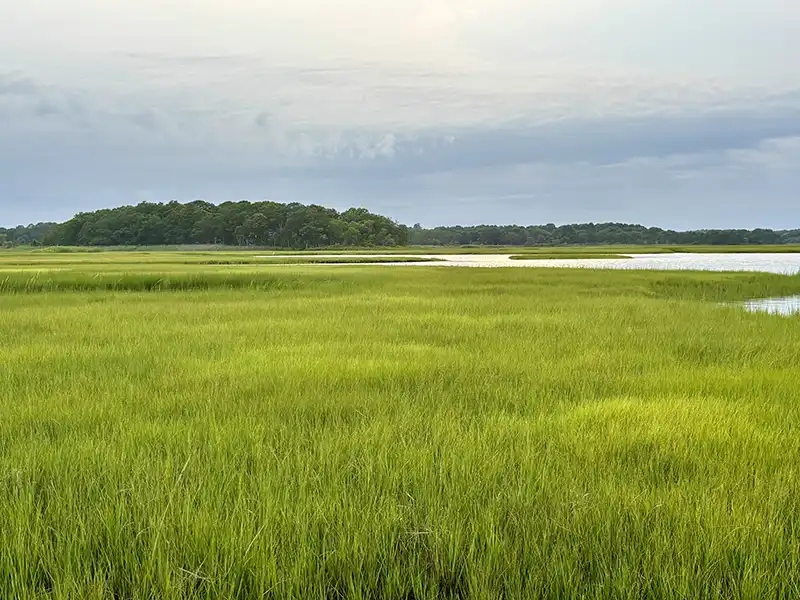
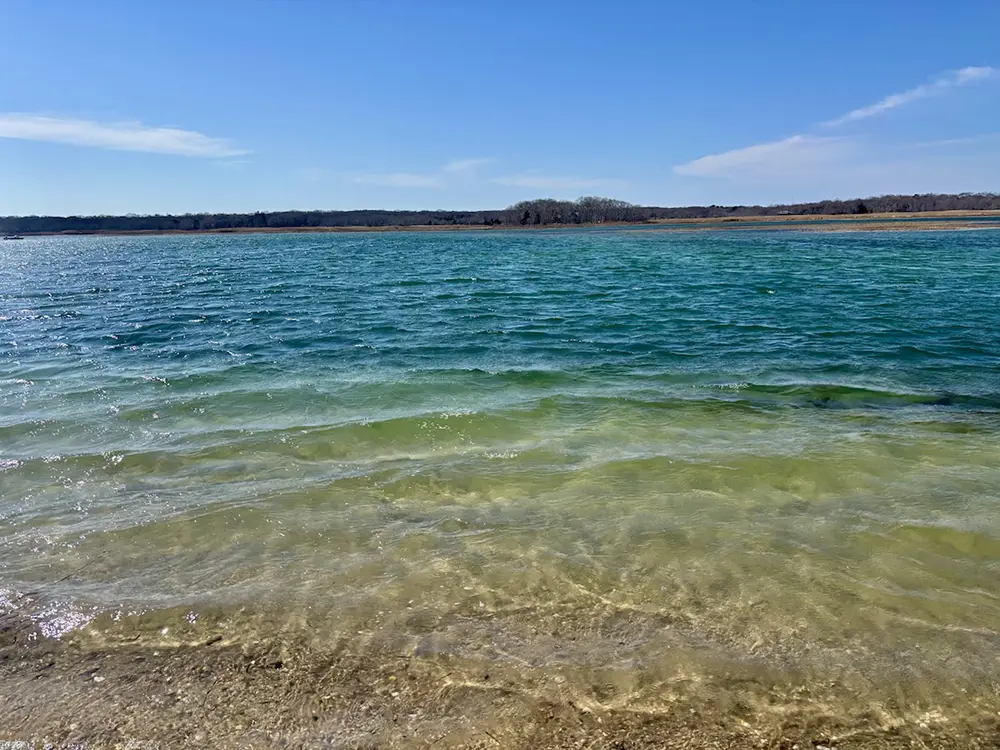
As we settle into winter with its darkening days and colder temperatures, the pristine beauty of Accabonac Harbor shines more brilliantly than ever. Described as a rare and irreplaceable ecosystem, 660 acres of shallow open water, salt marshes, sand spits, small wooded islands and dredged material disposal areas, home to vulnerable species including Piping Plover, least terns, owls, turtles, Northern Harrier, common loon, breeding osprey, and diamondback terrapin, Accabonac Harbor is a productive area that contributes significantly to the biological diversity of Gardiner’s Bay. Degradation of water quality, especially from chemical contamination and waste disposal are imminent threats.
In this month’s newsletter we present the Board Slate for 2021. After that, a brief description of our next Forum to be held on December 8, 2020, “Shellfish: Past and Present”. Speakers are Stephen Tettelbach, PhD., and John Barley Dunne. And finally, as we ready our homes and yards for winter, a few thoughts about Lawns and Leaves.
1. APC Board Slate
The Accabonac Protection Committee’s Annual meeting was canceled this year due to COVID. The slate of Board Candidates is typically presented to the members for their endorsement at this meeting. We are trying to adhere to the procedure as best we can, albeit in a virtual manner.
2019 Annual Meeting, photo courtesy of Kyril Bromley
The slate of candidates for 2021 is below. All of the candidates serve on the current board:
- Ira Baracas
- Kevin Bishop
- Loring Bolger
- Nicholas Bryan
- Patrice Dalton
- Chris Ganitsch
- Lisa Ruiz
Comments about the slate can be sent to accabonacprotection@gmail.com by December 8, 2020. The board will select its officers for 2021 at the December board meeting.
Board members serve without compensation, each donating many hours of their own time over the course of the year. The current board has demonstrated focus, teamwork and innovation as we adapted our processes to the current situation, while meeting our objectives in large part.
I am grateful for their willingness to serve in 2021. And thank you, APC members, for your continued support.
2. December APC Forum
The next APC forum, “Shellfish; Past and Present”, will be presented on December 8Th at 6pm. Speakers at this forum are Stephen Tettelbach, PhD., Shellfish Ecologist of the Cornell Cooperative Extension and John “Barley” Dunne, Director Bay Management of the East Hampton Town Aquaculture Department.
Bay Scallops, abundant at one time, have declined over the past several decades. Last year’s harvest was alarmingly scant. Most scallops died over the summer. It has been predicted that this year’s bay scallop harvest will be as bad or worse than last year.
Join us as we learn about the history of the bay scallop harvest, the causes of recent declines, and the future of the Bay Scallop and other shellfish.
Register for this free Zoom meeting on the APC website.
3. Of Lawns and Leaves
There is so much activity at this time of year around lawn care and leaf removal. A few thoughts on these activities with an eye toward the health of Accabonac Harbor.
Right Size your Lawn
For many homeowners, the lawn is a big reason to fertilize, mow, irrigate, remove leaves and apply toxic pesticides. Consider replacing some of your lawn with pollinator gardens and shrub or treed sections that will support wildlife. East Hampton Town Department of Natural Resources has a helpful guide on native plantings. https://www.ehamptonny.gov/DocumentCenter/View/1062/Guide-to-Native-Plants-PDF.
Reducing your lawn’s footprint has many benefits. The chemical fertilizers, herbicides and pesticides used to for lawns can work against nature and deplete the microbes in your soil. Lawn fertilizers are often quick release chemical fertilizers which can overload Accabonac Harbor with nitrogen and phosphorus. And it is a difficult cycle to break, as more chemicals are needed to compensate for the soil deficiency that can be created by chemical treatments.
The Leaves
We are fortunate to enjoy wooded areas in Accabonac Harbor. The leaves that fall in the autumn are the renewable organic material produced through photosynthesis. When allowed to decompose, the leaves contain nourishment for the soil’s life.
The practice of collecting leaves and bringing them to the landfill may not be a good fit for this fragile ecosystem. Gas powered leaf blowers are a source of diesel and particulate matter pollution, plus the noise is impossible to escape during fall leaf clean up.
Many of us plant to attract and sustain pollinator insects like bees and butterflies to our gardens. Monarch butterflies migrate, but others winter here as an egg, caterpillar, chrysalis or adult, relying on leaf cover to survive. Bumble bees rely on leaf litter to survive the winter. Removing leaves is deadly to many of our invertebrate friends. https://xerces.org/blog/leave-the-leaves
Good news – there are alternate approaches we can take! Allow the leaves to remain in garden beds, under tree canopies, around shrubs and along the perimeter of the property until Spring. By the time spring arrives, the leaves may be added to the compost pile, if they haven’t already broken down.
As for the lawn area, it is possible to shred the leaves and allow them to remain on the lawn or bag them and add the shredded leaves to garden beds or to your compost pile. (Shredding is the practice of chopping leaves into small pieces with a lawn mower or leaf shredder.) Shredding can be done by homeowners (with a self propelled, electric start, mulching mower) or by commercial landscapers. It’s certainly worth a conversation with your landscaper and may save you money too.
To learn more, visit Leave Leaves Alone.
This has been a challenging year for everyone. Please keep Accabonac Harbor and her inhabitants in your thoughts during the Holiday Season. Donations to APC are appreciated. https://accabonac.org/contact-join-donate-1
Also, think about designating APC as your Amazon Smile charity.
Hope to see you the APC forum on December 8th!
Patrice Dalton, APC President