Threatened Species Need More Grassland
You may have read the alarming story in January’s east Hampton star that informed us that our state is losing wildlife species at a frightening rate. Many of us already were aware that this was happening, but we had no idea how extreme the decline was or how soon we might see extinctions.
According to The star, “186 mammals, birds, fish, shellfish, and amphibians were described as likely to drop to critical levels unless urgent conservation action is taken. In addition, an equal number of species was listed as expected to see significant declines by 2025.” These projections were released in a recent report by NY Department of Environmental Conservation and the Cornell University Cooperative Fish and Wildlife Research Unit. Other experts believe this report underestimates the danger.
The principal cause of this crisis seems to be loss of habitat. There have been many articles in previous issues of this newsletter that lamented the change around our creek from grassland to a tangle of invasives and impenetrable woods and voiced concern for named species of birds that used to be common here but are now rarely seen: meadowlarks, killdeer, grasshopper sparrows, vesper sparrows, glossy ibis, whippoorwills, quail, pheasant, barn owls, kestrels, and marsh hawks, not to mention occasional visits from very special birds like snowy owls, snow buntings, and once, a Greenland wheatear. All these creatures require meadows.
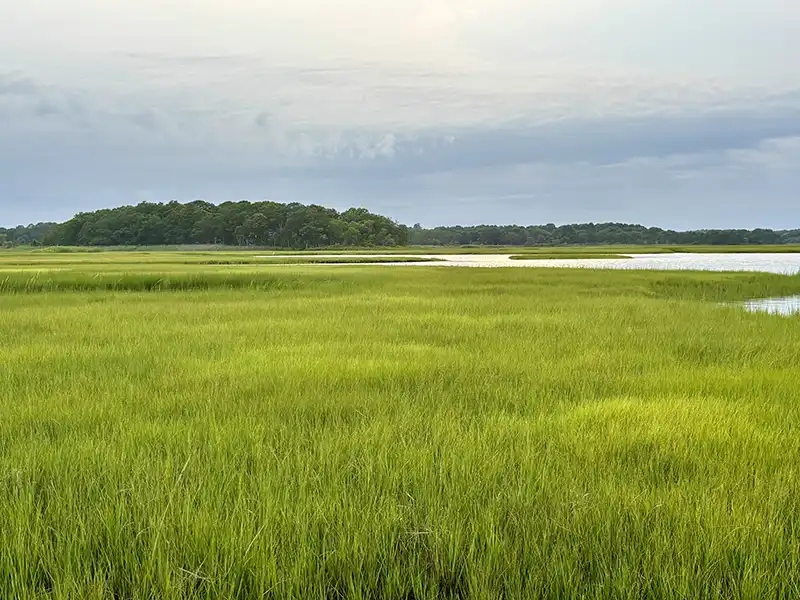
APC would like to see DEC reexamine its wholesale prohibition on clearing around a water body like Accabonac, a prohibition that has in some cases proved pointless and destructive. Trees, by shading the ground, thin vegetation and consequently allow more erosion than a stand of native grasses would. These lands, now partly contained in the Barbara Barnes Hale Preserve, have been grasslands since as far back as we have records.
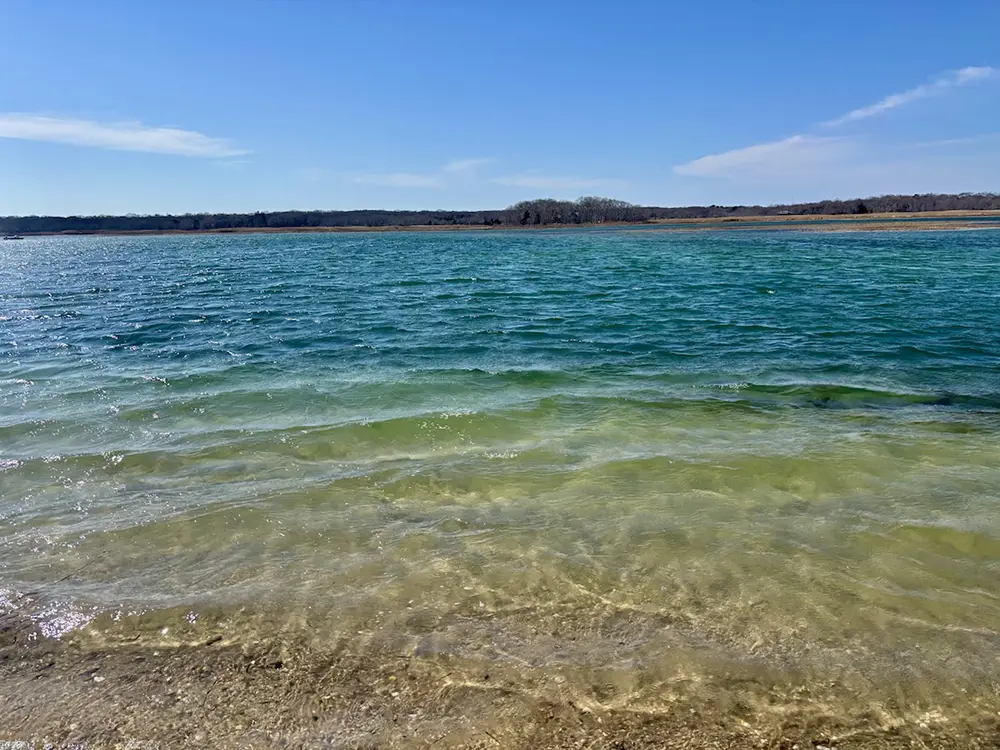
For centuries the creek, surrounded by deep-rooted native grasses, was pristine. If it is no longer so, we know it is largely because of human habitations and their septic systems, in no way mitigated by the woods we have now. It goes without saying that we need better septic arrangements that stop wholesale nitrate pollution of the waters. However, restoration of more vigorous grasslands might also help filter the septic wastes that endanger our waters.