Harbor Protection Overlay District (HPOD)
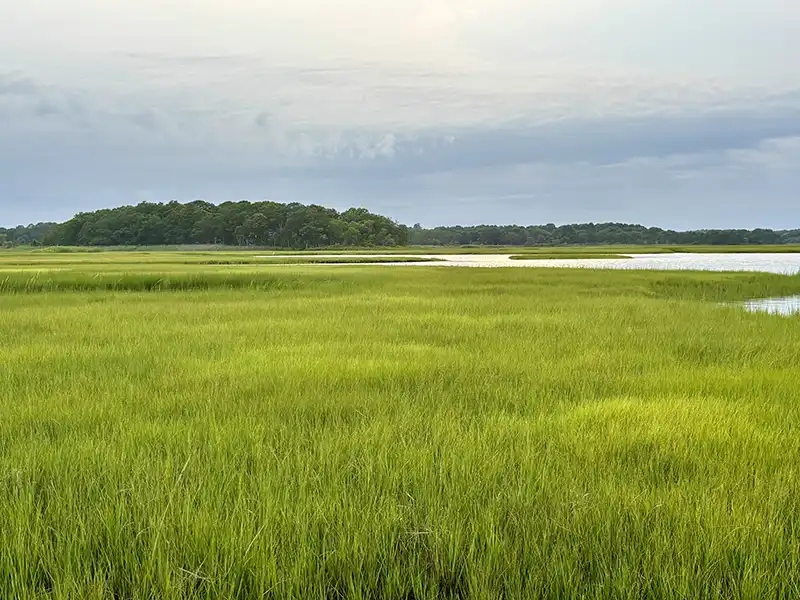
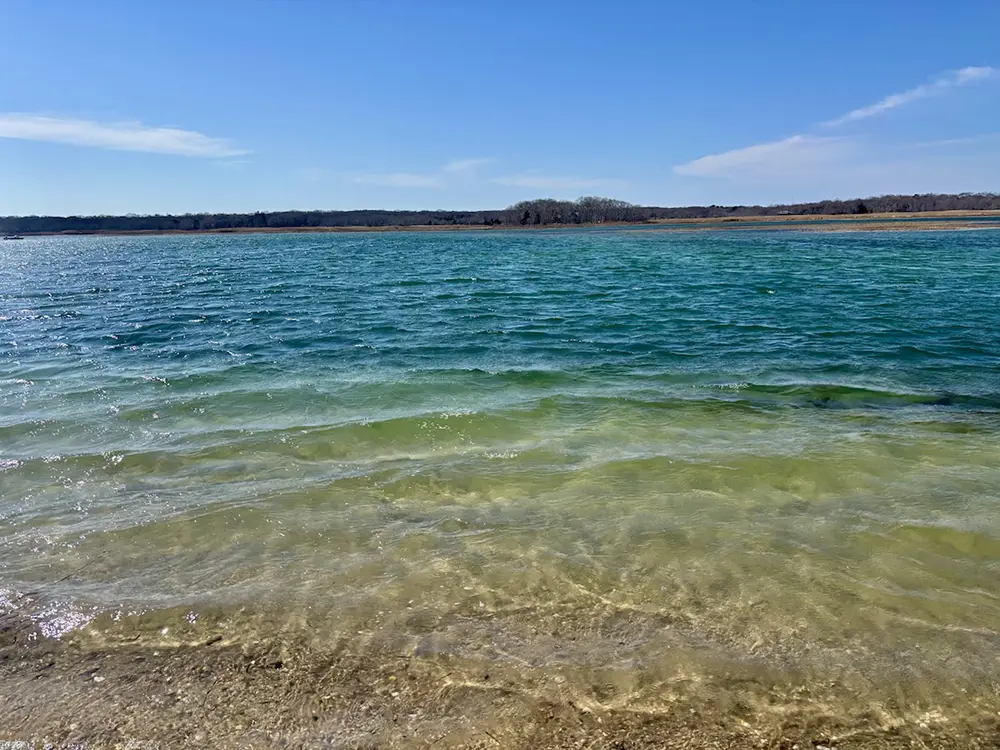
So you are one of the lucky ones! Because you live near the water, your home is located within the Harbor Protection Overlay District (HPOD). This means you may have the privilege of a beautiful view, an easy walk to the beach, and an ideal place to swim, kayak or just gaze. You also have the responsibility to protect our harbor (or creek) from pollution. There are two routes contaminants follow to arrive there: by surface run-off and through the groundwater.
[photo]
Photo by Abby Abrams.
Here’s what you can do:
- Never use conventional pesticides, herbicides, fungicides or fertilizers on your lawn or garden. They can poison a creek or bay by either of those routes. To find out about alternatives see the GREEN LIVING article
- Don’t forget , it’s still importan to remove old oil tanks from the ground. Both septic pollution and heating oil can reach creeks and bays by way of the groundwater and cause great damage when they do.
- If you have a lawn that ends at the salt marsh or the water’s edge, keep a five-foot buffer strip of native vegetation between them. This strip will help filter the run-off. There is no need to plant it, just not mowing for a while will let what belongs there grow up. Also, did you know that a healthy salt marsh and a buffer strip protects your property from storm flooding and erosion?
- If your septic system is getting old or inclined to malfunction, it should be upgraded to comply with the current higher standards. Call EH Town Building Department at 324-4145 for information.
- Be careful with anything that goes down your drain. Any strong chemicals or cleaners, especially those containing chlorine, not only can pollute groundwater but also may interfere with the action of your septic system.
- Shield or shut off your night lighting, especially on the water side, because it destructively impacts the natural ecology of any water body.
- Hard surfaces (like roofs and asphalt driveways) shed water during heavy rains much more than planted areas or natural woods. Keep as much native vegetation growing around your house as possible. Driveways and parking areas should be of permeable material such as gravel or crushed stone. Rain spouts should lead into dry-wells or depressions in the ground that will let all run-off soak into the earth. Once it becomes part of the groundwater stream, rainwater passes slowly through a great deal of sandy filtering material on its way to the nearest bay or harbor. In contrast, surface run-off can speed downhill carrying any pollutants, pet waste, petroleum derivatives, etc. straight into surface waters that are home to shellfish, fish and a whole ecosystem that can be gradually destroyed in this way.
IF IT’S YOURS TO ENJOY, IT’S YOURS TO PROTECT!